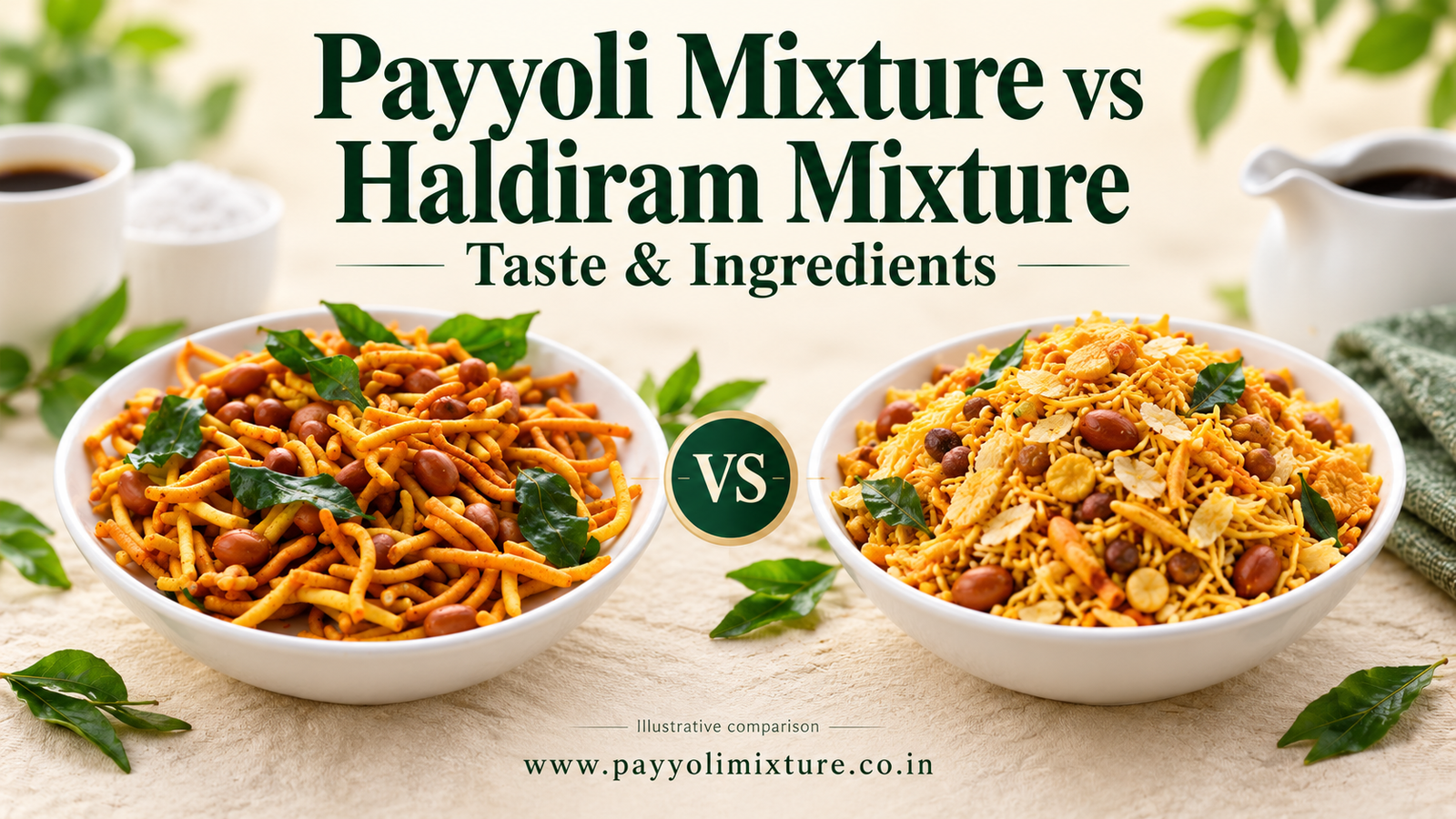
Payyoli Mixture is a Kerala-style snack built mainly on fried flour pieces, peanuts and curry leaves. Haldiram mixture is not one product, because the brand sells several mixtures. The best-documented one, Haldiram Kaju Mixture, declares 22% split green gram (moong), 21% gram pulse flour and 12% cashews on its official label.
So the real choice is between two different snack styles, not two versions of the same thing. Below we compare the labels, explain what they suggest about texture and spice, and give you a quick checklist so you can pick the pack that suits your taste.
One caveat applies to everything in this article: recipes change, and Payyoli Mixture differs from maker to maker. Treat the physical pack label as the final word. We will not repeat this in every section.
What Is Payyoli Mixture?
Payyoli Mixture is named after Payyoli, a town in Kozhikode district on Kerala’s Malabar coast. It belongs to the family of Kerala bakery mixtures, the crunchy savoury blends sold in tea shops across the state.
No single official recipe exists. Some makers fry in coconut oil, some add tapioca pieces, fried garlic or cashews, and others keep it simple. As one product-specific example, the Malbariswaad Payyoli Mixture listing names gram flour, rice flour, peanuts, curry leaves, dry red chilli powder, turmeric, asafoetida, salt and vegetable oil.
That list shows the typical pattern: sev and boondi-style flour pieces, peanuts for bite, and fried curry leaves for aroma. Whether a pack is a coconut oil snack depends on the maker, so check the oil named on the label.
The general Haldiram mixture is a traditional namkeen blend. Its exact ingredient list should be read from the current pack or catalogue entry, as we have not reproduced percentages we could not verify.
Haldiram Lite Mixture is a separate SKU. “Lite” is a product name, not a health claim. If lower fat or sodium matters to you, compare its nutrition panel per 100 g against the other pack before deciding.
How Do the Ingredients, Texture and Spice Levels Compare?
Here is a compact snapshot comparing the Payyoli example listing with Haldiram Kaju Mixture.
Main base: Payyoli: gram flour and rice flour. Haldiram Kaju: split green gram and gram pulse flour.
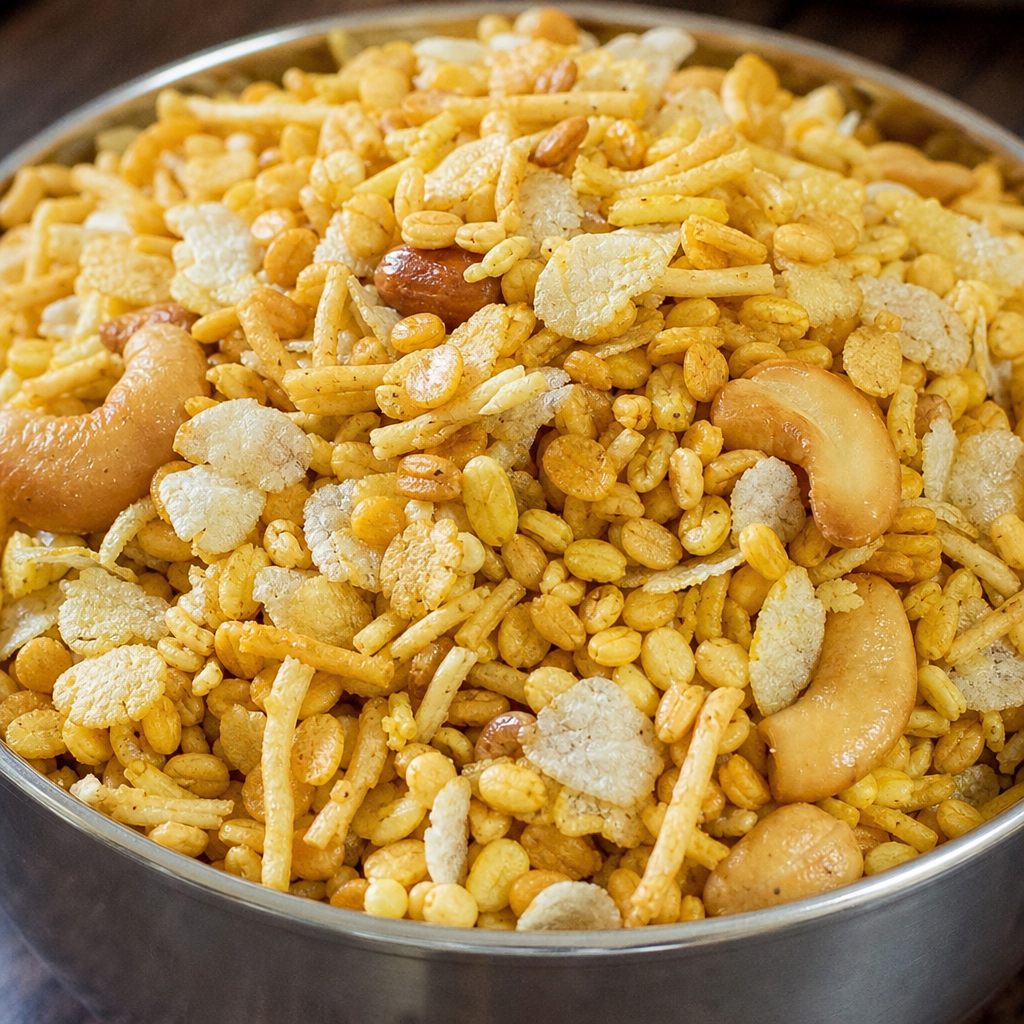
Flour-based pieces usually give a dry, brittle crunch, with firmer peanuts and thin crisp curry leaves. A dal-based mix like Kaju Mixture offers small hard moong grains, richer cashews and light potato and rice flakes. One is more uniform, the other more varied.
Spice
A label lists spices but cannot measure heat. The Payyoli example points to straightforward chilli warmth with hing and curry leaf aroma. The Kaju Mixture’s longer spice list suggests a layered masala. If heat matters, buy a small pack first.
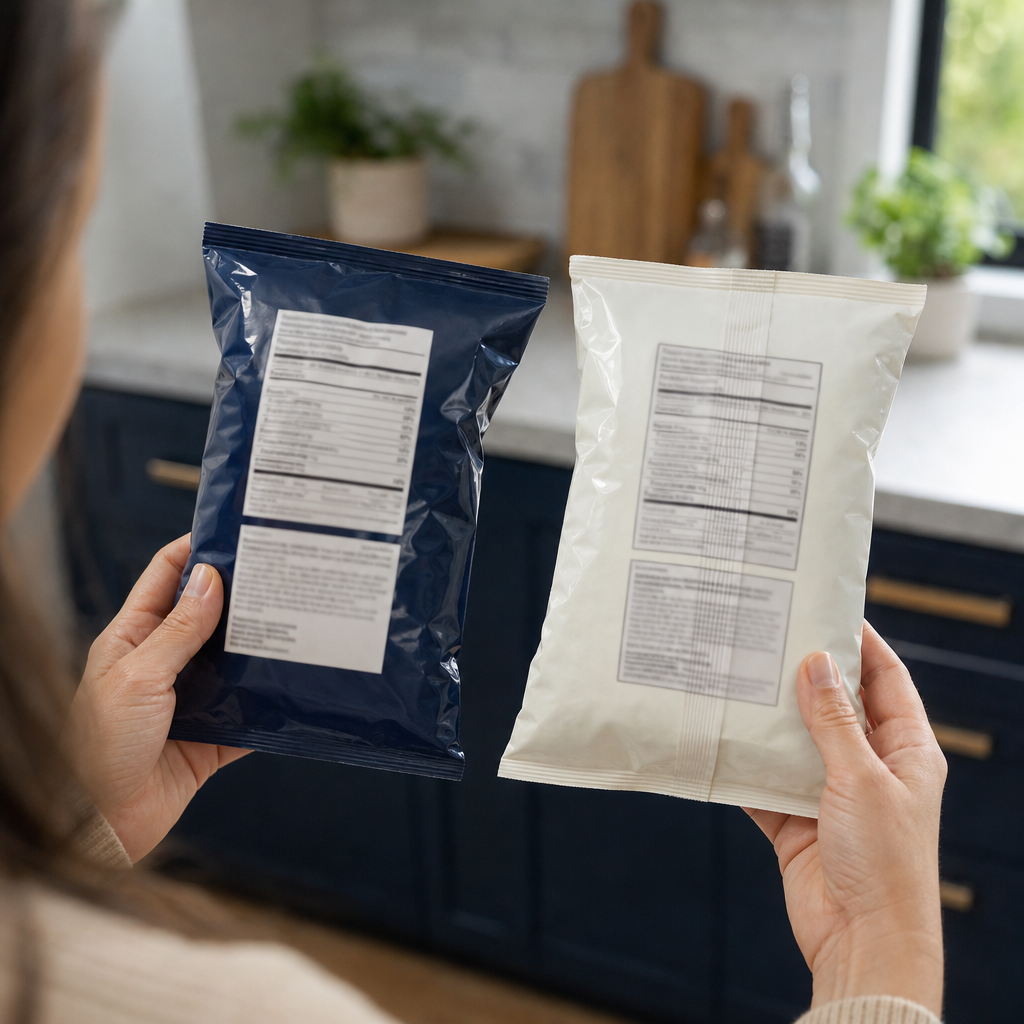
We have not listed nutrition values here because we could not verify current panels for every product. Read energy, fat, sodium and protein per 100 g directly from the packs.
How Does Kerala-Style Mixture Fit Into Tea Time and Puttu Pairings?
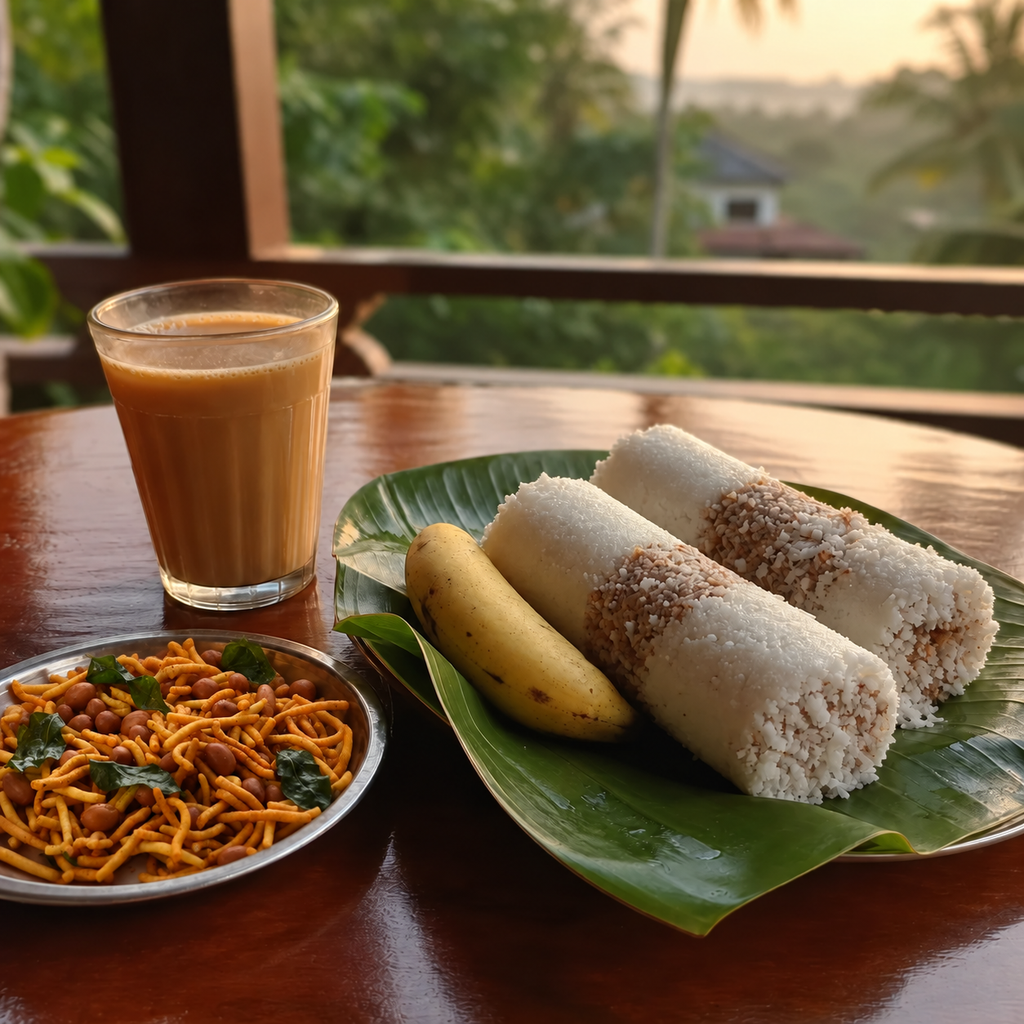
In Kerala, a small plate of mixture beside a glass of chaya is a familiar evening scene. That is the natural setting for kerala tea time snacks payyoli mixture blends. Any mixture can be served these ways; they are ideas, not product attributes.
Tea-time plate: a small bowl with hot tea or filter coffee, plus banana chips for contrast.
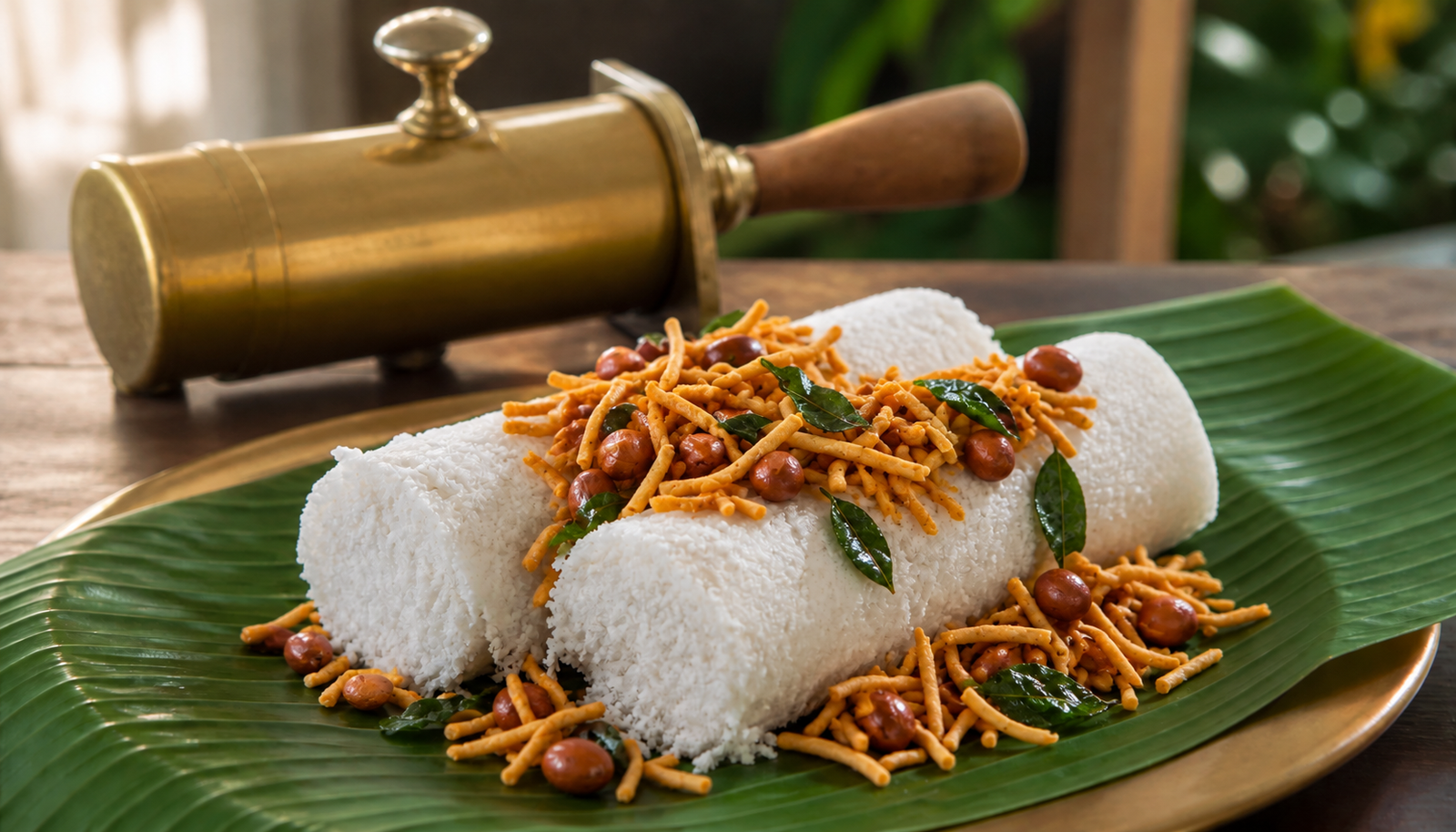
With puttu: some households eat soft steamed puttu with banana and a spoonful of mixture on the side for crunch.
Quick chaat: toss with onion, tomato, lime and coriander.
Curd rice topping: a spoonful adds texture.
Haldiram Kaju Mixture also works at tea time, but its flavour sits closer to North Indian namkeen snacks. If you want the curry leaf and hing aroma of a Kerala bakery, a Payyoli-style pack is the closer match. See more ideas in our guide to Kerala tea-time snacks.
What Should You Look for When Choosing a Haldiram Mixture or Payyoli Pack?
Exact SKU name: Kaju, Lite and classic are different products.
Ingredient order: ingredients appear in descending order by weight, so the first three tell you the base.
Declared percentages: check highlighted items, such as the 12% cashews.
Nutrition per 100 g: compare like for like, since serving sizes differ.
Allergens: peanuts, tree nuts, gluten.
Net weight, date and FSSAI licence number.
Illustrative price per 100 g example
These numbers are hypothetical, for illustration only. A ₹60 pack of 150 g works out to ₹40 per 100 g. A ₹90 pack of 200 g works out to ₹45 per 100 g. The bigger pack is not always cheaper, so do the division before you buy.
Where to Buy Payyoli Mixture Online?
Several Kerala snack sellers list Payyoli Mixture online, including the Malbariswaad listing referenced above. Before ordering, check the live ingredient list, net weight, back-of-pack photos, shelf life, and whether the seller delivers to your PIN code or country.
Disclosure: we sell Payyoli Mixture ourselves. You can view the ingredients and pack sizes on our Payyoli Mixture product page and confirm current delivery coverage on our shipping information page before you order.
The Verdict: Choose by Taste, Confirm by Label
Neither snack is better or healthier on the evidence available. They are simply different styles.
Pick Payyoli Mixture if you like flour-based crunch, peanuts, fried curry leaves and a simple chilli-hing flavour with Kerala tea.
Pick Haldiram Kaju Mixture if you prefer a dal-led namkeen with cashews, potato and rice flakes.
Considering Haldiram Lite Mixture or the classic Haldiram mixture? Run the same label check on that exact SKU.
Want to try the Kerala side of the comparison? Explore our Kerala snacks range, read the pack details, and contact our team if you have questions about ingredients.
FAQ
What is the main difference between Payyoli Mixture and Haldiram mixture?
Payyoli Mixture is a Kerala-style blend usually built on gram flour and rice flour pieces, peanuts and fried curry leaves. Haldiram sells several mixtures. Its Kaju Mixture leads with split green gram (22%) and gram pulse flour (21%) and adds cashews (12%), potato and rice flakes.
Is Haldiram Lite Mixture healthier?
Not necessarily. Lite is a product name, not a health claim. To judge it, compare its nutrition panel per 100 g, especially energy, fat and sodium, against the other pack you are considering.
Is Payyoli Mixture healthier than Haldiram Kaju Mixture?
Neither can be called healthier without comparing the exact packs’ nutrition panels per 100 g. Payyoli recipes vary by maker, so compare the specific products side by side.
Do both mixtures contain nuts?
Typically yes. Payyoli Mixture usually contains peanuts, and Haldiram Kaju Mixture contains cashews. Anyone with a nut allergy should read the allergen line on the exact pack.
How is Kerala mixture served with puttu?
Some households eat steamed puttu with banana and a spoonful of mixture on the side for crunch. It is a home-style serving idea, not a fixed tradition, and it also suits evening tea.
October 3, 2026 payyoli_admin | Comments Off on Payyoli Mixture vs Haldiram Mixture: Taste & Ingredients
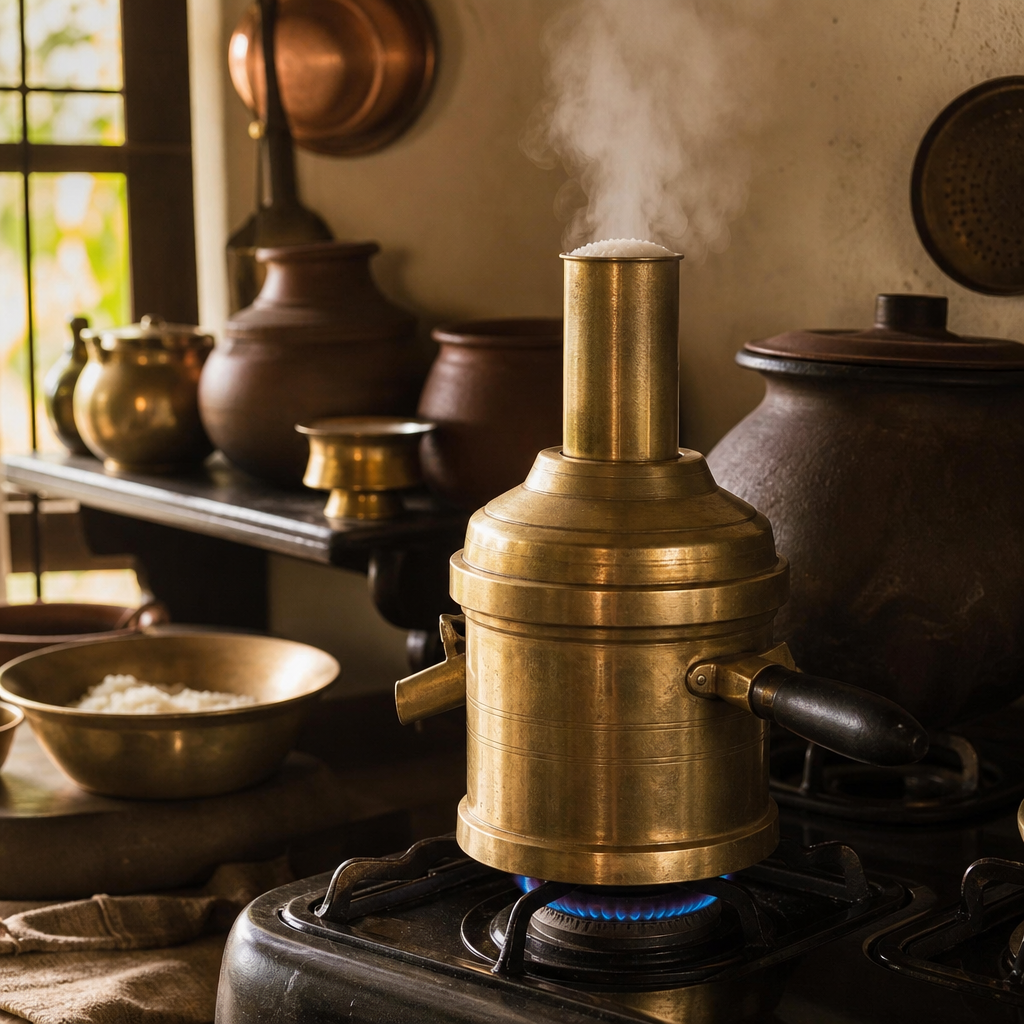
There is a specific kind of morning ritual in Kerala homes that no recipe card can fully capture. A grandmother lifts the lid of a puttu kutti – the cylindrical brass steamer that has sat on her stove for thirty years – and the kitchen fills with the warm, faintly sweet smell of freshly steamed rice and coconut. Then comes the crunch: a handful of Payyoli mixture scattered over the soft white cake, and suddenly breakfast becomes something worth waking up for.
That contrast – soft and crunchy, mild and spiced, steamed and fried – is not accidental. It is centuries of culinary instinct distilled into a single bowl. This guide walks you through exactly what puttu and Payyoli mixture are, why they work so well together, how to prepare them at home, and where to source authentic ingredients if you live outside Kerala.
The Cultural Significance of Puttu in Kerala Cuisine
Puttu is one of those dishes that quietly defines a place. It appears at breakfast tables from Thiruvananthapuram to Kasaragod, served in humble tea shops and five-star hotel buffets alike. It is eaten with kadala curry on Sundays, with ripe banana on weekday mornings, and now, increasingly, with the crunchy brightness of Payyoli mixture.
The dish has deep roots in the agricultural traditions of Kerala, where rice – grown in the paddy fields that line the backwaters – formed the backbone of daily nutrition. Steaming rather than frying was the dominant cooking method, which kept the food light, digestible, and suited to a warm, humid climate.
Today, puttu travels far beyond Kerala. The India Brand Equity Foundation reports that India’s e-commerce food and grocery segment grew by 35% year-over-year in 2023, driven significantly by regional specialty products like puttu podi reaching diaspora communities in the UAE, the UK, and North America.
What Is Puttu? A Complete Breakdown
Definition: Puttu in Plain Terms
Puttu is a traditional steamed rice cake from Kerala, made by layering coarsely ground rice flour (puttu podi) with grated coconut inside a cylindrical steamer called a puttu kutti. The steaming process takes five to seven minutes and produces a firm yet crumbly cake that holds its shape but breaks apart easily in the hand. It is gluten-free, oil-free, and mildly flavored by design.
Core Ingredients
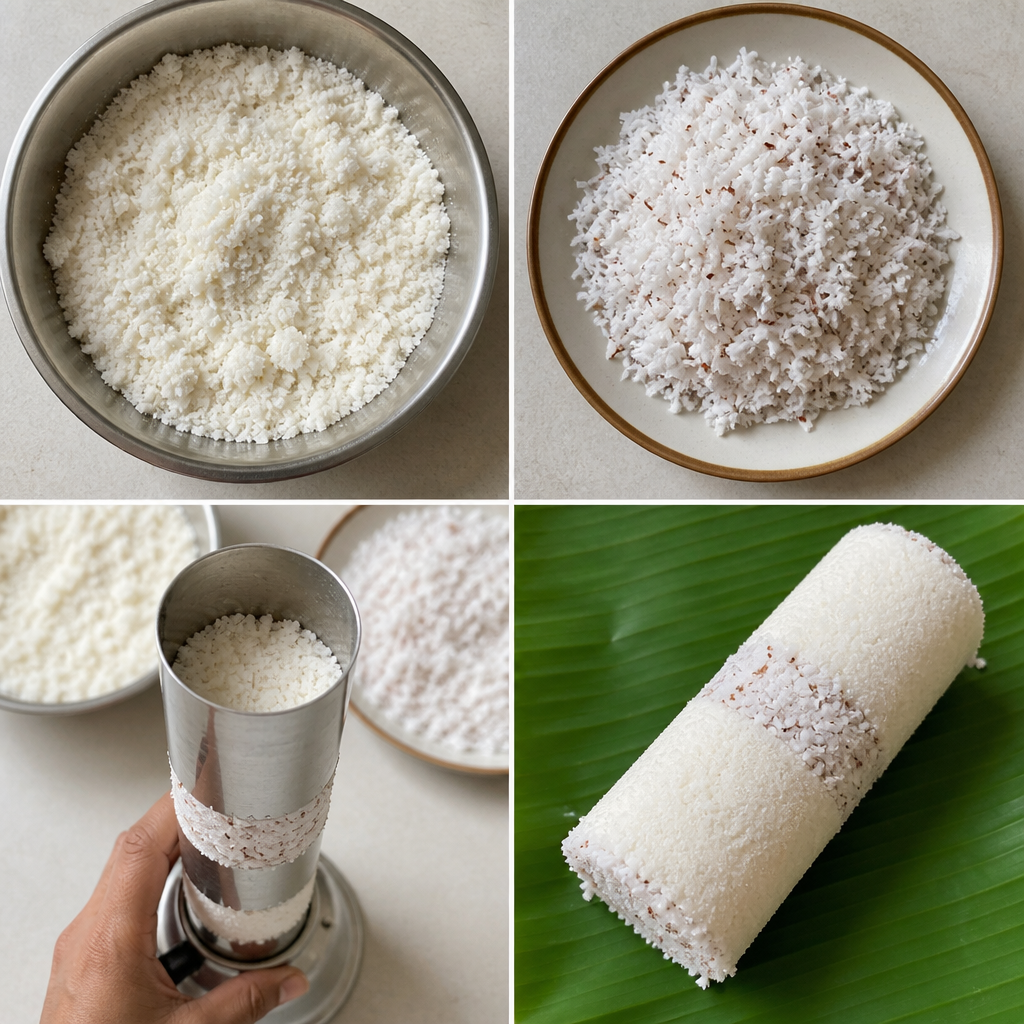
Puttu podi (rice flour): Coarsely ground, either white or red (red being more common in northern Kerala). The grind matters – too fine and the puttu becomes dense; too coarse and it falls apart.
Fresh grated coconut: Added in alternating layers. It provides moisture, fat, and a subtle sweetness that balances the neutral rice flour. A food processor works well if fresh coconut is unavailable; desiccated coconut is a distant substitute.
Water: Mixed into the flour by hand until it resembles wet sand – it should clump when pressed but crumble when dropped. A kitchen scale helps here; the typical ratio is 1 cup of flour to roughly 70-80 ml of water, adjusted by feel.
Salt: A pinch, worked into the flour before steaming.
Traditional Varieties: White, Red, and Beyond
White puttu uses raw rice flour and is the most common variety. Red puttu (also called Kerala red rice puttu or chemba puttu) uses red rice flour, which has a nuttier, earthier taste and a slightly denser texture. It is also higher in fiber and minerals, making it a preferred choice for health-conscious eaters.
Two other varieties deserve attention for home cooks who want to experiment:
Ragi puttu (finger millet): Made with ragi flour, this version has a distinctly earthy, almost smoky flavor. The texture is denser and slightly stickier than white puttu, and the color is a deep grayish-brown. It pairs particularly well with jaggery and banana.
Wheat puttu: Uses atta (whole wheat flour) instead of rice flour. The result is softer and slightly chewier, with a mild wheat flavor. It does not hold its cylindrical shape as cleanly as rice puttu, but it works well for families transitioning from wheat-heavy diets.
The key practical difference between ragi and wheat puttu is moisture management. Ragi flour absorbs water quickly and can become gummy if over-moistened; wheat flour requires slightly more water and benefits from a two-minute rest after mixing. Both varieties steam well in a standard puttu kutti.
According to KK Food Products’ comprehensive puttu guide, the quality of the rice flour is the single most important variable in achieving the right texture – pre-packaged puttu podi that has been specifically milled for steaming will consistently outperform generic rice flour.
What Is Payyoli Mixture? Origins and What Makes It Crunchy
Payyoli is a small coastal town in Kozhikode district, northern Kerala. It sits on the Malabar Coast, and its food culture is shaped by centuries of spice trade, fishing communities, and a fierce local pride in doing things the traditional way. The mixture that carries its name is one expression of that pride.
Payyoli mixture is a dry, crispy snack made primarily from beaten rice flakes (aval), roasted peanuts, fried curry leaves, dried red chilies, and a blend of spices that typically includes turmeric, chili powder, and asafoetida. The ingredients are fried separately at specific temperatures before being combined – this is what gives the mixture its characteristic multi-layered crunch. Each element contributes a different texture: the flattened rice flakes shatter cleanly, the peanuts give a deeper, sustained crunch, and the curry leaves add a brittle, papery crispness.
What distinguishes Payyoli mixture from generic Kerala mixture or Chennai mixture is the rice flake base. Most South Indian mixtures use sev (chickpea flour noodles) or murukku as their primary component. Payyoli mixture centers the rice flake, which creates a lighter, more delicate crunch and a flavor profile that is saltier and more aromatic rather than rich or oily.
The Perfect Pairing: Why Soft Puttu and Crunchy Payyoli Mixture Work Together
The science of food texture pairing is straightforward: we eat with contrast. A food that delivers only one texture – only soft, only crunchy, only chewy – becomes monotonous faster than a food that offers variation within a single bite. Puttu, by itself, is pleasant but textually one-dimensional. Payyoli mixture, eaten alone, can feel relentless in its crunch.
Together, they solve each other’s limitation. The soft, crumbly rice cake absorbs a small amount of fat and spice from the mixture, picking up flavor as it breaks apart. The crunchy elements of the mixture remain intact long enough to create contrast in the same mouthful. The coconut layered inside the puttu adds a gentle sweetness that tempers the heat of the chilies in the mixture.
I have seen home cooks in Kozhikode pour the mixture directly over the puttu as it is pushed from the steamer, letting the heat soften the very top layer of rice flakes just slightly – not enough to lose the crunch, but enough to create a warm, aromatic coating. That thirty-second window is where the magic happens.
Nutritional Profile: What You Are Actually Eating
One standard serving of puttu (approximately 100g, steamed) contains around 160-180 calories, 3-4g of protein, 30-35g of carbohydrates, and 2-4g of fat from the coconut, based on estimates from the Indian Food Composition Tables (National Institute of Nutrition, India). It is naturally gluten-free and contains no added oil, making it one of the lighter traditional breakfast options in South Indian cuisine.
As Netmeds Health Library notes, puttu made with red rice flour provides additional fiber and micronutrients compared to white rice versions, including iron and B vitamins.
Payyoli mixture adds approximately 100-130 calories per 30g serving (estimated), along with protein from peanuts and a modest amount of healthy fats. The combination is more calorie-dense than a plain puttu breakfast but remains within reasonable limits for an active adult’s morning meal.
The pairing also delivers a practical nutritional benefit: the protein and fat from the mixture slow the digestion of the rice-based puttu, reducing the post-meal blood sugar spike that can come from eating refined carbohydrates alone. This matters especially for those using red rice or ragi puttu as part of a health-conscious diet.
Step-by-Step Preparation Guide
Equipment You Need
Puttu kutti (puttu maker): The traditional cylindrical steamer, available in brass, aluminum, and stainless steel. A pressure cooker with a steamer attachment works as a substitute.
Food processor or grater: For fresh coconut preparation.
Kitchen scale: For precise flour-to-water ratios.
Wide mixing bowl: For moistening the flour.
Preparing the Puttu
Measure 200g of puttu podi (white or red rice flour) into a wide bowl. Add a pinch of salt and mix dry.
Add water gradually – start with 70ml and add more a tablespoon at a time. Mix by rubbing the flour between your palms. Stop when the flour clumps when pressed but crumbles apart when dropped from a height of six inches.
Rest for five minutes. This allows the moisture to distribute evenly through the flour.
Layer the puttu kutti: Add a small disc of coconut to the base (perforated end), then a layer of moistened flour (about 3-4 tablespoons), then another layer of coconut, then more flour. Repeat until the cylinder is full. Do not press or compact the layers – this traps steam and creates a dense, gummy result.
Steam for six to eight minutes over medium-high heat. The puttu is ready when steam exits from the top in a steady stream and has continued for at least two minutes.
Push out onto a plate using the handle or a wooden dowel. The puttu should come out in a single cylindrical cake.
Preparing or Serving Payyoli Mixture
If using store-bought Payyoli mixture – which is the most practical option for busy households and for those outside Kerala – simply open the packet and portion 25-30g per serving. The mixture is a ready-to-eat snack and requires no preparation.
For a freshly made version at home, dry-roast beaten rice flakes in a heavy pan over medium heat until crisp, fry peanuts separately in a small amount of coconut oil with curry leaves and dried red chilies, then combine with turmeric, chili powder, salt, and asafoetida while still warm.
Serving the Combination
Place the freshly steamed puttu on a plate or banana leaf.
Scatter 25-30g of Payyoli mixture over the top immediately after plating, while the puttu is still hot.
Serve with a small banana or a spoonful of jaggery on the side if you prefer a sweet contrast to balance the spice.
Eat immediately – puttu hardens as it cools, and the mixture begins to lose its crunch if left in contact with steam for more than a few minutes.
How to Source Authentic Ingredients Online
For home cooks outside Kerala, sourcing authentic puttu podi and Payyoli mixture has become considerably easier in the past three years. The Indian ready-to-cook market is projected to reach $1.2 billion by 2027, growing at a CAGR of 14.5% from 2022, and a significant share of that growth is coming from regional specialty products like Kerala breakfast staples.
Here are the platforms most reliably stocking both products as of 2025:
Amazon India: Stocks multiple brands of puttu podi (KK, Double Horse, Eastern) typically priced between Rs. 60-120 for a 500g pack. Payyoli mixture is available from smaller Kerala brands at Rs. 80-150 for a 200g pack. Delivery reaches most Indian metros within 2-4 days.
BigBasket: Carries a curated selection of Kerala grocery brands, including red rice puttu podi. The platform’s “Gourmet and World Foods” category is a good starting point.
Ulamart: A Kerala-focused online grocery platform that ships internationally. Particularly useful for diaspora communities in the UAE and Gulf countries, where demand for authentic Kerala products is high.
For those in the UAE and broader Gulf region, Indian grocery delivery services in the UAE have expanded their Kerala product range significantly to serve the large Malayali community there.
The Kerala State Industrial Development Corporation notes that the state’s food processing sector contributes approximately 10% to total industrial output, and the growing demand from export markets is driving more manufacturers to adopt shelf-stable packaging for products like mixture and puttu podi.
Serving Suggestions and Modern Variations
The classic approach – puttu with Payyoli mixture, a banana, and black tea – is the benchmark. But there is room to build on it without losing the spirit of the dish.
Add a soft-boiled egg: Halve a soft-boiled egg alongside the puttu. The runny yolk acts as an impromptu sauce that binds the mixture and rice cake together.
Layer with coconut milk: Pour two tablespoons of warm, thin coconut milk over the puttu before adding the mixture. This creates a richer, creamier base that contrasts even more sharply with the crunch on top.
Ragi puttu with Payyoli mixture: The earthier flavor of ragi puttu stands up particularly well to the heat of the mixture. This version is popular among health-focused consumers and works as a post-workout breakfast.
Mini puttu cups: Steam puttu in small cylindrical portions (about 60g each) and serve with mixture in individual portions. This works well for brunches or when introducing the dish to guests who have never tried it.
For ideas on pairing traditional Indian breakfast dishes with modern serving formats, traditional Kerala breakfast recipes offer a useful reference point.
Key Takeaways
Puttu is a steamed rice and coconut cake – not fried, not spiced, and naturally gluten-free. Its mildness is a feature, not a flaw.
Payyoli mixture is distinct from generic South Indian mixture because it centers the beaten rice flake, creating a lighter, more aromatic crunch.
The combination works because of textural contrast: soft and crumbly against brittle and crisp, mild against spiced.
The flour-to-water ratio and the layering technique are the two variables most home cooks get wrong. Use a scale and resist the urge to press the layers down.
Authentic ingredients are available on Amazon India, BigBasket, and Ulamart, with international shipping options from platforms like Ulamart for diaspora communities.
Eat the combination immediately after plating – puttu hardens as it cools and the mixture softens from steam if left too long.
Bringing Kerala’s Crunchy-Soft Breakfast to Your Table
Puttu with Payyoli mixture is not a trend. It is a combination that has been evolving quietly in Kerala kitchens for generations, only now finding a wider audience through specialty food stores and e-commerce platforms that make authentic ingredients accessible anywhere in the world.
The preparation asks for patience and attention to texture more than technical skill. Get the moisture level of the flour right, layer without compressing, steam without rushing, and plate without delay. The result – a warm, crumbly, coconut-scented cake crowned with a spiced, aromatic crunch – is one of the most satisfying breakfasts in the South Indian repertoire.
If you are shopping for authentic puttu podi or Payyoli mixture to try at home, South Indian specialty food products available online can help you find verified sellers with good shelf-life packaging. And if you want to explore other traditional Kerala pairings before committing to a full breakfast spread, Kerala-style kadala curry is the classic companion worth knowing.
Try it once. Then tell us in the comments how your first attempt went – what you changed, what surprised you, and whether you went back for seconds.
FAQ
What is puttu and how is it different from other Indian rice dishes?
Puttu is a steamed rice cake from Kerala made by layering coarsely ground rice flour and grated coconut inside a cylindrical steamer called a puttu kutti. Unlike idli or dosa, puttu is not fermented and contains no batter. It is naturally gluten-free, oil-free, and has a firm but crumbly texture that breaks apart easily.
What makes Payyoli mixture different from regular Kerala mixture?
Payyoli mixture originates from Payyoli in Kozhikode district and uses beaten rice flakes (aval) as its primary component rather than sev or murukku used in most South Indian mixtures. This creates a lighter, more delicate crunch with a saltier, more aromatic flavor profile that is less oily than generic mixture varieties.
Can I use a pressure cooker instead of a puttu kutti to steam puttu?
Yes. A pressure cooker with a steamer attachment works well as a substitute for a traditional puttu kutti. Fill a steel or aluminum cylinder with the layered flour and coconut, place it over the steam vent, and steam for six to eight minutes without the weight on the lid. The texture is comparable to the traditional method.
Where can I buy authentic Payyoli mixture outside Kerala?
Payyoli mixture is available on Amazon India, BigBasket, and Ulamart, with prices typically ranging from Rs. 80-150 for a 200g pack depending on the brand. Ulamart offers international shipping to UAE and other Gulf countries, making it a reliable option for the Malayali diaspora community.
Is the puttu and Payyoli mixture combination suitable for a health-conscious diet?
Yes, with some consideration. Puttu is naturally oil-free and low in fat, containing around 160-180 calories per 100g serving (estimated, based on Indian Food Composition Tables). Payyoli mixture adds protein from peanuts and healthy fats. Using red rice or ragi puttu increases fiber content further. The combination is a balanced breakfast option for most adults.
How do I get the right texture for puttu – not too dense and not falling apart?
The key is moisture level. Add water gradually to the rice flour until it clumps when pressed but crumbles when dropped from a height. Avoid pressing or compacting the layers inside the puttu kutti – loose layering allows steam to circulate properly. Over-compressing is the most common cause of dense, gummy puttu.
How long does store-bought Payyoli mixture stay fresh?
Store-bought Payyoli mixture typically has a shelf life of three to six months when unopened, depending on the packaging and preservatives used. Once opened, store in an airtight container and consume within two to three weeks for best crunch. Keep away from moisture – humidity is the main factor that causes mixture to go soft.
September 24, 2026 payyoli_admin | Comments Off on Puttu and Payyoli Mixture: A Crunchy Combination to Try
Traditional Indian snacks have become a staple in Indian households for generations, and their timeless appeal has recently taken on new momentum, especially in urban markets. In bustling North Indian cities like Delhi, Mumbai, and Pune, there is a growing trend towards adopting and embracing traditional snacks as part of daily life, driven by health awareness, nostalgia, and the preference for authentic flavors. One such snack that is gaining popularity in these retail chains is Payyoli Mixture—a classic, crunchy mix originating from Kerala. In this article, we will explore the rising consumer interest in traditional Indian snacks, why products like Payyoli Mixture are winning hearts, and how these snacks appeal to a diverse and health-conscious urban population.
1. Introduction
The Indian food market is experiencing a significant shift. With rapid urbanization, globalization, and the influence of modern lifestyles, consumer preferences have evolved. However, one trend has remained consistent—Indian traditional snacks are as popular as ever. Payyoli Mixture, a beloved traditional snack from Kerala, is increasingly finding its way into the pantries of households in North Indian cities, and it is becoming an essential product in many retail chains across the country. This article explores why this is happening and how Payyoli Mixture and similar products are capturing the hearts of city dwellers.
2. A Look at Traditional Indian Snacks
Traditional Indian snacks like Payyoli Mixture bring a diverse array of flavors and textures to the table. These snacks are typically made with a combination of ingredients such as nuts, lentils, fried curry leaves, and aromatic spices. They are rich in tradition and boast flavors that remind consumers of their roots.
What makes traditional snacks unique is their complex layering of flavors—spicy, sweet, savory, and tangy—all blended in a way that makes them utterly irresistible. These snacks are often eaten during festivals, shared during gatherings, and enjoyed as everyday evening munchies, making them an integral part of Indian culture.
3. The Rise of Traditional Snacks in North Indian Cities
a. Nostalgia Drives Sales
In cities like Delhi, Mumbai, Pune, and Jaipur, many consumers are experiencing a return to their roots, with a preference for food products that connect them to their culture and heritage. Traditional snacks like Payyoli Mixture provide this nostalgia—reminding consumers of their hometowns or the childhood days spent enjoying these treats with family. The nostalgic pull is powerful, and retail stores have taken note, expanding their product lines to include these authentic snacks.
b. Demand for Authentic and Unadulterated Snacks
Modern consumers are increasingly seeking authentic experiences. The desire for unadulterated, chemical-free snacks has given a significant push to traditional Indian snack brands. Payyoli Mixture, with its authentic recipe, uses quality ingredients without artificial flavoring or excessive preservatives, making it highly sought after in urban markets.
c. Appeal Across Age Groups
Traditional snacks are not restricted to a single demographic. They appeal to people across age groups—children love the crispiness and spice, while adults value the familiarity and comfort these snacks bring. For the elderly, traditional snacks offer a taste of home that cannot be replicated by more modern snacks. This broad appeal has resulted in an uptick in the demand for such products, especially in North Indian cities, where consumer diversity is at its peak.
4. Why Payyoli Mixture Appeals to Urban Consumers
a. Burst of Flavors
Payyoli Mixture is crafted with a blend of lentils, nuts, curry leaves, and spices that creates a crunchy, spicy, and savory taste explosion. For urban consumers who seek variety in their daily snacks, this mixture is a perfect fit—offering a combination of flavor and crunch that stands apart from other snack products.
b. Regional Authenticity with a Pan-India Appeal
Though Payyoli Mixture originated in Kerala, its flavors have struck a chord with consumers across the country. In big North Indian cities, the mixture has come to symbolize the charm of regional Indian cuisine, where snacks from the South are enjoyed by residents in the North for their unique taste and authenticity.
c. Affordability
The rising demand for authentic, high-quality snacks is also driven by the affordability of Payyoli Mixture. Compared to many other packaged snacks, it offers better value for money while providing a more satisfying snack experience—ideal for the average consumer looking to balance quality with price.
5. The Health Benefits of Traditional Snacks like Payyoli Mixture
Another important factor contributing to the popularity of traditional snacks is the health benefits they offer compared to many modern processed snacks. Unlike products filled with excessive artificial additives, Payyoli Mixture is prepared with natural ingredients that provide a range of nutrients. For the health-conscious consumers in urban areas, the combination of flavors and nutrition in this snack makes it a perfect fit.
a. Rich in Nutrients
Protein: The pulses and nuts used in Payyoli Mixture are rich in plant-based proteins, which is an essential nutrient for the body’s growth and repair.
Healthy Fats: Nuts such as peanuts provide healthy fats that help keep you full for longer periods.
Minerals and Vitamins: The curry leaves and other spices used contain vital minerals and vitamins that promote overall health.
b. Low on Preservatives and Artificial Additives
Unlike many other snacks that line the shelves of supermarkets, Payyoli Mixture doesn’t rely on synthetic flavors or excessive preservatives. This makes it a far healthier alternative for individuals looking for a guilt-free munching option.
c. Perfect for Moderation
The traditional preparation of Payyoli Mixture ensures a balance of taste without overwhelming the consumer with excessive salt, sugar, or oil. It provides a crispy, savory snack that can be consumed in moderation, making it ideal for those conscious about maintaining a healthy diet.
6. Packaging and Convenience for Busy Urban Lifestyles
The packaging of Payyoli Mixture has also played a crucial role in its rising popularity among North Indian city dwellers. With busy urban lifestyles, convenience is a top priority for most consumers. Payyoli Mixture is:
Available in Various Pack Sizes: Whether you’re looking for a small pack for a quick bite or a larger family pack to share, there’s an option for everyone.
Ideal for On-the-Go Snacking: The handy packaging makes it convenient for people to carry Payyoli Mixture in their bags—perfect for a quick snack at the office or while traveling.
7. Expanding Market Opportunities in Retail Chains
The growing popularity of traditional snacks like Payyoli Mixture has led to retail chains actively stocking up on these products. Retailers in cities such as Delhi and Mumbai have taken advantage of this trend, offering a dedicated section for authentic Indian snacks, prominently displaying products like Payyoli Mixture. This trend is helping expand the market opportunities for both the retailer and the manufacturer.
a. High Demand During Festivals
Traditional snacks are also in high demand during festivals, when consumers look for authentic treats to share with family and friends. Retailers can benefit significantly from stocking Payyoli Mixture during these times, as the demand for high-quality snacks skyrockets.
b. Branding and Promotion
Retailers who understand the cultural significance of traditional snacks have also started using Payyoli Mixture as part of their marketing and promotional activities. The regional authenticity and high quality of the product make it ideal for promotions that focus on India’s culinary heritage.
c. Gifting Options
Payyoli Mixture also works well as a gifting option, particularly during festivals like Diwali or Holi. Special gift packs can be created that make it easy for consumers to buy these snacks as gifts, further driving sales in retail chains.
8. Conclusion
The growing demand for traditional Indian snacks like Payyoli Mixture in North Indian cities can be attributed to a combination of nostalgia, health-consciousness, convenience, and cultural appeal. Modern consumers are increasingly turning towards authentic, high-quality snacks that remind them of home while providing nutritional value and convenience. Payyoli Mixture, with its distinct flavors, affordability, and health benefits, perfectly fits the bill.
The urban markets in North India present a massive opportunity for traditional snacks to thrive. Retailers that stock products like Payyoli Mixture are tapping into a growing consumer preference for regional, authentic, and nutritious snacks that meet the demands of a busy, modern lifestyle. The rising popularity of these snacks is not just a trend but a reflection of how consumers in India are trying to balance health, nostalgia, and convenience in their daily lives.
As retail chains continue to respond to consumer demands, traditional Indian snacks like Payyoli Mixture will remain an essential part of their product offerings—connecting people to their roots while providing a delicious and healthy snacking option.
For those interested in bringing Payyoli Mixture to their retail stores, place a bulk order here.
Frequently Asked Questions (FAQs)
1. What is Payyoli Mixture?
Answer: Payyoli Mixture is a traditional Indian snack that originated in Kerala. It is a crispy mix made from fried nuts, lentils, and aromatic spices, providing an authentic taste of South India.
2. Why are traditional snacks becoming more popular in North Indian cities?
Answer: Traditional snacks are gaining popularity in North Indian cities due to their nostalgic appeal, health benefits, and the desire for authentic flavors that connect people to their roots.
3. What makes Payyoli Mixture a healthy snack option?
Answer: Payyoli Mixture is made from premium ingredients, including lentils and nuts, that are rich in proteins and essential nutrients. It also contains minimal preservatives, making it a healthier snack compared to many modern options.
4. Who are the target customers for Payyoli Mixture in North Indian cities?
Answer: Payyoli Mixture is popular with a wide range of consumers, from children to adults. It appeals to health-conscious consumers, those seeking nostalgic flavors, and anyone looking for an authentic snack.
5. How can retail chains benefit from stocking Payyoli Mixture?
Answer: Retail chains can benefit by catering to the growing demand for traditional snacks, attracting diverse customer demographics, and offering a product that is both nutritious and authentic. Payyoli Mixture also has a high repeat purchase rate.
6. Are there different flavors of Payyoli Mixture available?
Answer: Yes, Payyoli Mixture is available in multiple flavor profiles to cater to different tastes, making it ideal for retail stores looking to offer variety to their customers.
7. What are the packaging options available for Payyoli Mixture in retail?
Answer: Payyoli Mixture is available in different pack sizes, from small individual packs to larger family packs. It is also packaged for convenience, making it easy for customers to enjoy on the go.
8. Why are traditional snacks like Payyoli Mixture considered better than processed snacks?
Answer: Traditional snacks like Payyoli Mixture are made with natural ingredients and fewer preservatives. They offer essential nutrients, unlike many processed snacks that are loaded with artificial additives and unhealthy fats.
9. What makes Payyoli Mixture suitable for health-conscious consumers?
Answer: Payyoli Mixture is made with plant-based proteins, healthy fats, and essential vitamins, making it a nutritious choice. It also has a balanced flavor without being overly processed, which aligns with the preferences of health-conscious consumers.
10. How can I place a bulk order for Payyoli Mixture for my retail store?
Answer: You can place a bulk order for Payyoli Mixture by visiting our bulk order page. Our team will assist you with the process.
Traditional snacks have always held a special place in the hearts of consumers. Today, the growing demand for authentic, high-quality, and flavorful snacks has opened a great opportunity for supermarkets and retail businesses to enhance their product offerings. Payyoli Mixture is a classic traditional Indian snack that is loved across the country for its unique taste, nutritional value, and quality. In this article, we will explore why partnering with Payyoli Mixture could be a game-changer for your retail business.
1. Introduction to Payyoli Mixture
Payyoli Mixture is a well-known traditional Indian snack that originated in the vibrant region of Payyoli in Kerala. Made with a combination of fried nuts, pulses, and aromatic spices, this delicious mixture has become a favorite snack for both young and old alike. It’s known for its crispy texture, balanced flavors, and the authentic touch of South Indian spices. With a wide consumer base, Payyoli Mixture makes for an excellent product to be stocked in retail stores and supermarkets.
Payyoli Mixture isn’t just a snack—it’s a cultural experience. It captures the essence of traditional Indian flavors while also focusing on delivering better nutritional value with essential vitamins, minerals, and protein, all while maintaining the authentic taste of Payyoli.
With increasing health awareness and a shift towards more authentic and minimally processed foods, traditional snacks like Payyoli Mixture are enjoying a surge in demand. Consumers are looking for snacks that offer a taste of nostalgia while providing quality ingredients and nutrition. The Payyoli Mixture delivers on both fronts by being:
Traditional: Made with authentic recipes passed down through generations.
Nutritious: Contains essential nutrients with a balance of taste and health.
Versatile: Appeals to a wide demographic, from children to adults.
3. Unique Selling Points of Payyoli Mixture
Payyoli Mixture stands out from other products for a variety of reasons:
Authentic Recipe: The recipe is true to its roots, maintaining the original flavor profile that makes it unique.
High Quality Ingredients: Only premium nuts, pulses, and spices are used, ensuring superior taste and quality.
Hygienic Manufacturing: Produced in a state-of-the-art facility to ensure cleanliness and adherence to quality standards.
Multiple Flavor Profiles: We provide multiple varieties of mixtures to cater to different palates. This variety means your customers will have more choices, increasing the chances of repeat purchases.
4. Payyoli Mixture’s Nutritional Benefits
Modern consumers are increasingly health-conscious, and Payyoli Mixture offers a variety of health benefits to meet their needs. Made with premium ingredients, including nuts, pulses, and spices, Payyoli Mixture is:
Rich in Protein: Perfect for those looking for plant-based protein sources.
Packed with Essential Nutrients: Contains vitamins and minerals that make it a healthier snack choice.
Low in Preservatives: We use minimal preservatives, ensuring a natural taste.
5. Why Payyoli Mixture is a Perfect Fit for Your Supermarket
When you choose to stock Payyoli Mixture in your supermarket or retail store, you’re making a choice that directly addresses current consumer trends. Here’s why:
a. Consumer Trust and Brand Recognition
Payyoli Mixture has a well-established reputation and consumer trust. Stocking a trusted brand can improve your store’s credibility and attract a loyal customer base.
b. Profit Margin Opportunities
Our competitive pricing and high demand create an opportunity for excellent profit margins. Traditional snacks, especially ones that carry a well-loved legacy, are known to generate consistent sales.
c. Appealing to Various Customer Segments
Payyoli Mixture appeals to a wide range of customers, from families to individual consumers. It’s ideal for serving at social gatherings or enjoying as a snack with tea, ensuring it becomes a staple item in many households.
d. High Repeat Purchase Rate
The unique flavor and quality of Payyoli Mixture ensure a high rate of repeat purchases. Customers who try the mixture are likely to come back for more, creating a steady demand for the product.
6. Competitive Pricing and Bulk Ordering Options
Payyoli Mixture provides very competitive pricing to ensure that our B2B partners enjoy the best possible profit margins. Additionally, we offer exclusive bulk ordering options with flexible payment schedules for our B2B partners. Our bulk purchasing system provides a seamless and efficient experience, and if you’re interested in stocking Payyoli Mixture, please visit our bulk order page for further details.
a. Volume Discounts
We offer volume discounts that make our product even more attractive for retailers looking to maintain healthy profit margins.
b. Custom Packaging for Retail Partners
Our B2B clients can also request custom packaging to align with their brand’s needs. This helps in creating exclusive versions of Payyoli Mixture that cater to your specific market.
7. Reliable Supply Chain and Logistics
Maintaining a consistent supply of products is crucial for any supermarket or retail business. Payyoli Mixture takes pride in its robust supply chain and logistics capabilities:
Efficient Distribution Network: We ensure timely deliveries and maintain consistent product availability, reducing the risk of stockouts.
Flexible Order Sizes: Depending on your business needs, you can place orders in small or large quantities.
Region-specific Logistics: Our logistics partners are capable of delivering across India, ensuring that wherever your store is located, you have access to our product.
8. Supporting Your Marketing and Branding Efforts
To further support our retail partners, we provide marketing collateral and assist with promotional campaigns. This helps increase brand visibility and drives sales within your store. We offer:
Branded Point of Sale Materials: To help you make a prominent display of Payyoli Mixture products in your store.
Special Promotions: We run special promotions and offer seasonal discounts, which you can pass on to your customers, increasing sales during peak seasons.
9. Success Stories: Partnering with Leading Retail Brands
We’ve partnered with leading supermarket chains and retailers to bring Payyoli Mixture to the masses. These collaborations have led to mutual success, with partners reporting increased foot traffic and customer satisfaction. Here’s a look at how working with Payyoli Mixture has benefited some of our top partners:
Retail Chain A saw a 20% increase in snack sales after adding Payyoli Mixture to their offerings.
Supermarket B reported that Payyoli Mixture quickly became one of their top-selling products within three months.
These success stories are a testament to the product’s popularity and the advantage it can bring to your retail business.
10. Conclusion
Payyoli Mixture is more than just a snack—it’s a way to tap into the growing demand for authentic, high-quality traditional Indian snacks. By partnering with Payyoli Mixture, you can bring a beloved product to your customers, benefit from high profit margins, and enjoy a steady and reliable supply chain. With strong marketing support, competitive pricing, and a product that delivers in both taste and nutrition, Payyoli Mixture is the perfect addition to your supermarket or retail store.
11. How to Place Bulk Orders and Buy Payyoli Mixture
Are you ready to add Payyoli Mixture to your product lineup and take advantage of this exciting opportunity? To buy Payyoli Mixture or place a bulk order, simply visit our product page or head over to our bulk order page for more details.
Our team is ready to support your business every step of the way, ensuring that you get the best value from our partnership. Reach out today and discover how Payyoli Mixture can help your retail business thrive.
Frequently Asked Questions (FAQs)
1. What is Payyoli Mixture?
Answer: Payyoli Mixture is a traditional Indian snack made with a combination of fried nuts, pulses, and aromatic spices. It offers a unique and authentic taste of South India.
2. Why should I partner with Payyoli Mixture for my supermarket?
Answer: Partnering with Payyoli Mixture helps provide customers with a high-quality, nutritious snack that is popular and well-loved. It appeals to a wide demographic, ensuring repeat sales and high customer satisfaction.
3. What types of customers buy Payyoli Mixture?
Answer: Payyoli Mixture is popular among all age groups, from children to adults. It is ideal for those who enjoy traditional snacks with a unique flavor and those seeking healthy snack alternatives.
4. Is there any minimum quantity for bulk orders?
Answer: Yes, we have a minimum order requirement for bulk purchases. You can contact our sales team for more information on specific order sizes and discounts.
5. Do you offer customized packaging for retailers?
Answer: Yes, we offer custom packaging options for our retail partners. You can opt for branding elements that align with your store’s identity.
6. What makes Payyoli Mixture a healthy snack?
Answer: Payyoli Mixture is made with premium ingredients, including nuts and pulses, that provide essential vitamins, minerals, and protein. It contains minimal preservatives and is prepared using traditional methods to ensure quality.
7. Can I order Payyoli Mixture in different flavors?
Answer: Yes, we offer multiple varieties of Payyoli Mixture to cater to different preferences. These varieties are perfect for providing customers with a choice, increasing the chance of repeat sales.
8. How do you ensure the quality of Payyoli Mixture?
Answer: We use only high-quality ingredients and produce Payyoli Mixture in a state-of-the-art facility that maintains strict quality and hygiene standards. Each batch is carefully monitored for consistency and taste.
9. What are the payment options available for bulk orders?
Answer: We offer flexible payment options for our B2B partners, including payment upon delivery, net 30 terms, and other arrangements based on volume and client history.
10. How can I place a bulk order for Payyoli Mixture?
Answer: To place a bulk order, please visit our bulk order page. Our team will get in touch to assist you with the process.
Kerala, a state in the southwestern part of India, is renowned for its diverse and flavorful cuisine that draws heavily from its rich cultural heritage, abundant natural resources, and the influence of foreign traders who left their mark on its culinary practices over the centuries. Here are ten of the best and most popular foods that you must try from Kerala:
Kerala Sadya: A traditional vegetarian feast that is served on a banana leaf. It includes a variety of dishes such as rice, sambar, avial (a mixed vegetable curry), thoran (a coconut-based vegetable dish), payasam (a sweet dessert), and more.
Appam with Stew: Appam is a type of pancake made with fermented rice batter and coconut milk. It’s often served with stew, which can be made from chicken, mutton, or vegetables cooked in a coconut milk-based gravy.
Puttu and Kadala Curry: Puttu is a cylindrical steamed rice cake that’s cooked with coconut shavings. It’s traditionally served with kadala curry, a spicy curry made from black chickpeas.
Karimeen Pollichathu: This is a dish where pearl spot fish is marinated with a blend of spices, wrapped in banana leaves, and then grilled. It’s known for its rich flavor and the smokiness from the banana leaf wrapping.
Malabar Parotta with Kerala Beef Curry: Malabar Parotta is a flaky, layered flatbread that’s an excellent accompaniment to Kerala beef curry, which is a spicy and flavorful curry made with beef, spices, and sometimes coconut pieces.
Kerala Prawn Curry: Also known as Chemmeen Curry, this dish is made with prawns, coconut milk, and a variety of spices, offering a perfect balance of tanginess and spice.
Palappam: A lace-rimmed pancake made with a batter of fermented rice and coconut milk, often served as a breakfast dish or with curries.
Kerala Chicken Curry: A spicy and aromatic curry made with chicken, coconut milk, and a variety of spices. It’s a staple dish in Kerala cuisine and pairs well with rice or any bread.
Erissery: A traditional Kerala dish made from pumpkin and black-eyed peas, spiced with green chilies, ground coconut, and mustard seeds. It’s a common part of the Sadya menu.
Payasam: A sweet dessert made from rice, vermicelli, or lentils, cooked with milk and sugar, and flavored with spices like cardamom and nuts. There are many varieties, including Pal Payasam (made with rice and milk) and Ada Pradhaman (made with rice ada and jaggery).
Each of these dishes offers a unique taste and experience, reflecting the rich culinary heritage of Kerala. Whether you’re enjoying the vegetarian bounty of a Sadya or savoring the flavors of seafood and meat specialties, Kerala’s cuisine is sure to leave an indelible mark on your palate.
In the vibrant world of culinary delights, certain ingredients stand out not only for their distinctive flavors but also for their remarkable health benefits. From the bustling spice markets of India to the lush coconut groves of tropical islands, these ingredients have been celebrated for centuries, not just for their culinary uses but for their role in promoting health and well-being. This article delves into the wonders of gram flour, carom seeds, an assortment of spices, nuts, curry leaves, garlic, coconut oil, and tapioca—each a powerhouse of nutrition with a rich cultural heritage.
Gram Flour (Besan)
High in Protein: Gram flour is a great source of plant-based protein, which is crucial for muscle building and repair.
Rich in Fiber: It aids in digestion and helps in maintaining a healthy gut.
Gluten-Free: A good alternative for those with gluten intolerance or celiac disease.
Carom Seeds (Ajwain)
Digestive Aid: Carom seeds are known to help improve digestion and relieve acidity.
Anti-inflammatory Properties: They can reduce inflammation in the body, which is beneficial for relieving arthritis pain.
Antibacterial and Antifungal: Carom seeds have been shown to fight bacteria and fungi, improving oral health and preventing various infections.
Spices
Antioxidants: Many spices are high in antioxidants, which help fight free radicals and reduce oxidative stress.
Metabolic Boost: Certain spices can increase metabolic rate, aiding in weight loss.
Anti-inflammatory: Spices like turmeric contain curcumin, known for its anti-inflammatory properties.
Nuts
Heart Health: Nuts are rich in healthy fats, which can lower bad cholesterol levels and reduce the risk of heart disease.
Brain Function: They contain omega-3 fatty acids and antioxidants that support brain health.
Weight Management: High in protein and fiber, nuts can help keep you full longer, aiding in weight management.
Curry Leaves
Hair and Skin Health: Curry leaves are rich in antioxidants and essential nutrients that benefit hair and skin health.
Blood Sugar Control: They may help in controlling blood sugar levels by affecting insulin activity.
Cholesterol Management: Curry leaves are believed to reduce bad cholesterol levels (LDL), promoting heart health.
Garlic
Immune System Support: Garlic has been shown to boost the immune system, helping to fight colds and infections.
Blood Pressure Reduction: It has been found to have a significant impact on reducing blood pressure in people with high levels.
Cholesterol Levels: Garlic can lower total and LDL cholesterol levels.
Coconut Oil
Energy Boost: Contains medium-chain triglycerides (MCTs) that are quickly metabolized by the body for energy.
Antimicrobial Effects: The lauric acid in coconut oil can kill harmful pathogens, including bacteria, viruses, and fungi.
Skin and Hair Health: Coconut oil is also used externally for moisturizing skin and hair.
Tapioca
Gluten-Free Energy Source: Tapioca is a gluten-free carbohydrate source, making it a good option for those with gluten sensitivities.
Calcium and Iron: Provides minor amounts of calcium and iron, which are vital for bone health and blood function.
Low in Sodium: It has a low sodium content, which is beneficial for maintaining healthy blood pressure levels.
It’s important to consume these foods in moderation as part of a balanced diet to fully enjoy their health benefits.
Kerala mixture is an expansively prevalent snack, most frequently it is used up by south Indians especially Keralites. It is a mixture of plenty of items including peanuts, cashews, curry leaves, garlic etc… Most South Indians use refined coconut oil to prepare this item and this is one of the finest tea time snacks where 90% of South Indians love to have it. You can preserve this item for a long period, but do you know how? Let me be clear that there are numerous techniques to store mixture snacks. Here are some clever tips for storing Kerala mixture as a pro-organizer. Read the article to know more!!
Use door storage
If you are smart enough to organize your favorite South Kerala mixture (read on the article to know more about Kerala Mixture)snack in your home in a very diplomatic way, then you should never ignore this method. Customizing door storage racks within a sort of different-sized organizers, will help you to save your place and also preserve your snack fresh.
Shoe organizer
If you are looking for a less expensive alternative organization method, then this idea will apply to you. You can store Kerala mixture snacks separately in this air-tight plastic vertical storage system by maximizing your space.
Air-tight food storage containers
Storing mixture snacks in an opening bag without preventing its air, moisture and light can result in additional left-over mixtures. So, an airtight container bag is significant to avoid the possibility of letting it be soft and soggy.
Hang the leftover mixture bag using a clip
You can completely squash out the air from the cover and roll on the excess mixture snacks and lock it with a clip from the top. It can help you to retain the crispiness of the mixture by removing the air from containers.
Seal the mixture bag with a vacuum sealer
To maintain its freshness and crispiness it is better to avoid the resting of a mixture snack with moist content. A vacuum sealer will help you to preserve the food items for long days with consistent sealing fortified and double sealing strips.
OXO good grips pop container
OXO good grips pop container is one of the popular ways for storing mixture snacks inside its airtight lids. Get the air out of the container to maintain its taste, where it is best to deal for your tea time snack.
And here you are! Thank you for having a look at this list of storing ideas! The more you preserve the more you can sink your teeth into deliciousness. explore more to know different types of preservatives, there are huge varieties of items available in the market, keep on searching for the best! As the best online mixture snack company,(to know more about different types of Kerala mixture) we are here with you for the most effective storage techniques, and we use these in most cases. I hope this article has been beneficial for you. Take these tips to your heart and keep your snack without being stale. How do you store your snack?
Kerala mixture is a complete blend of spicy nuts and chips which is an unconditional crush of every Indian. This crispy and crunchy mix from the south is very popular in India whereas millions of people from the north just love to have a bite. It’s tossed with secret spicy powder which makes them exceptional from other north Indian sev. Are you getting curious to know about the secret combination of this Kerala mixture? It’s nothing but a nice touch of some pure-hearted Kerala people. You can easily prepare this magic crunchy mix to make your loved ones happy. We are introducing the best Payyoli online mixture snack with the goodness of an authentic handy mix of Kerala. Let’s know more about the Payyoli mixture recipe!
Ingredients
2 bowls of Gram flour/kadalamaavu
2 bowls of Tapioca Powder
2 TS of Sunflower oil/coconut oil
½ cup of cashew nuts
¼ cup of peanuts
Chili powder (recommended Kashmiri)
¼ to ½ tablespoon of Kayam
Curry leaves
Salt (salt to taste)
Deep frying oil
Instruction to cook
Making the Payyoli mixture is quite simple! You can easily prepare this snack mixture with the above-mentioned ingredients. Here are the steps that you have to follow for making this item. Let’s have a look!
Take 2 bowls of Tapioca (know more about Tappioca) flour and gram flour/Besan and combine it with salt (as per your taste) and make a batter by gradually adding water. The batter of the snack mixture should be in a medium consistency without too thick or too thin to get a better result. Pour out/ knead it until it becomes soft and smooth.
NB: You can add the measure of each ingredient as per your needs, but it should be in the accurate ration
To Make sev: Take a deep-wide pan to heat oil for a while. Moderate heating is needed for making a snack mixture sev. The next step is to fry! Add this mix or Batter into a seva/ idiyappam maker. Then start pressing this blend in a circular motion and keep it in hot oil until it turns a golden color. When you make this sev always make sure to cook it very quickly. Take it out into a paper towel to remove Its excess oil content and let the mix cool.
Its frying Time: Fry curry leaves, cashew nuts, roasted gram dal, and peanuts separately and keep it on a paper towel for letting it unruffled.
Mixing : Now you just have to mix sev with all the fried ingredients and add a pour of salt, kayam, and chili powder for a taste( if required)
Now here is your favorite Payyoli mixture, serve it to your friends and family and enjoy your tea time even more pleasurable!
Wrapping up
So here we end up with the major ingredients and the preparation of the famous Kerala Payyoli mixture. Being the best Online mixture snack brand, we are using the finest ingredients for its preparation, for sure you will get addicted to it! If you find this article useful, then don’t forget to hit our comment section below to write your valuable opinions. Also, we love to hear your story and experience of having the Payyoli mixture. Here is the link to keep on reading more related interesting content.